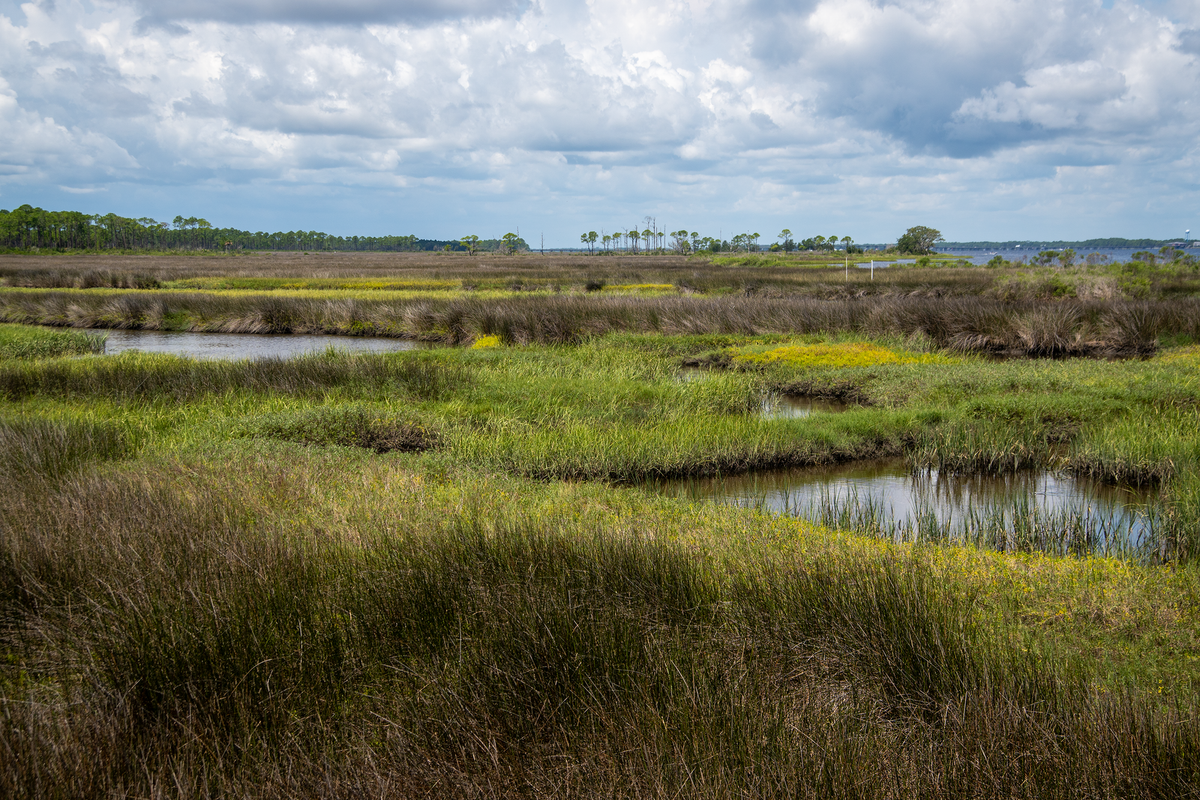
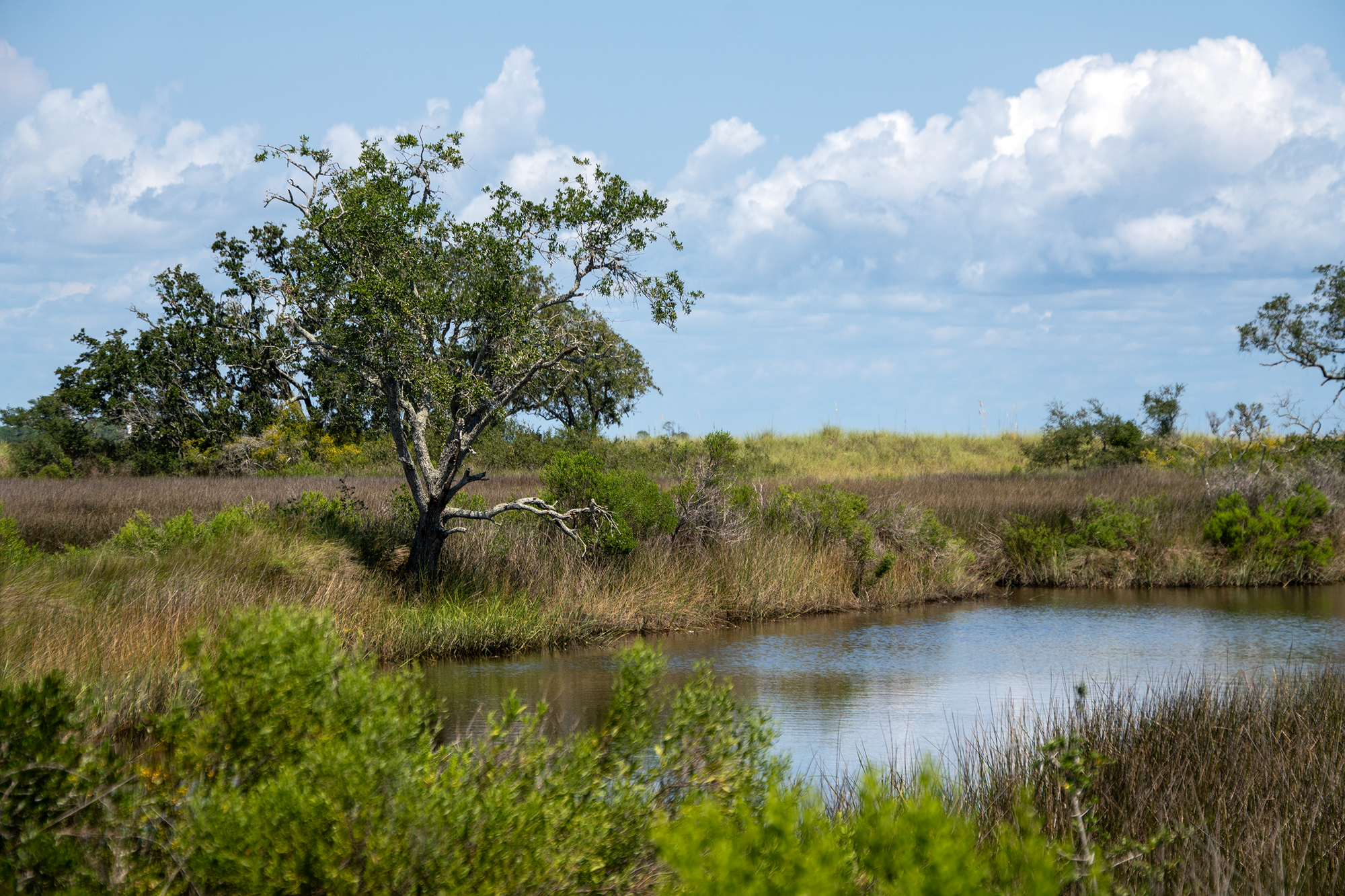
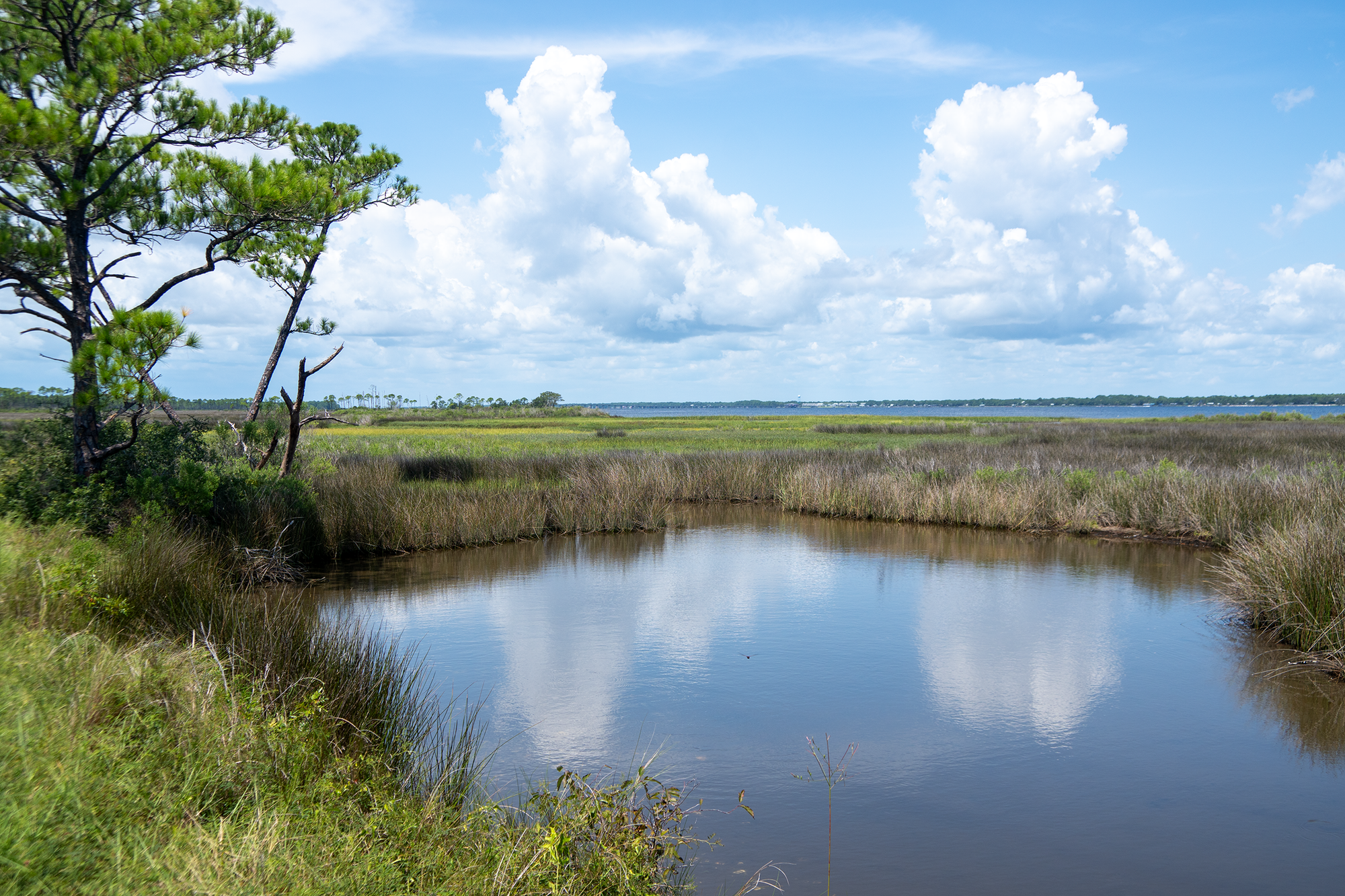
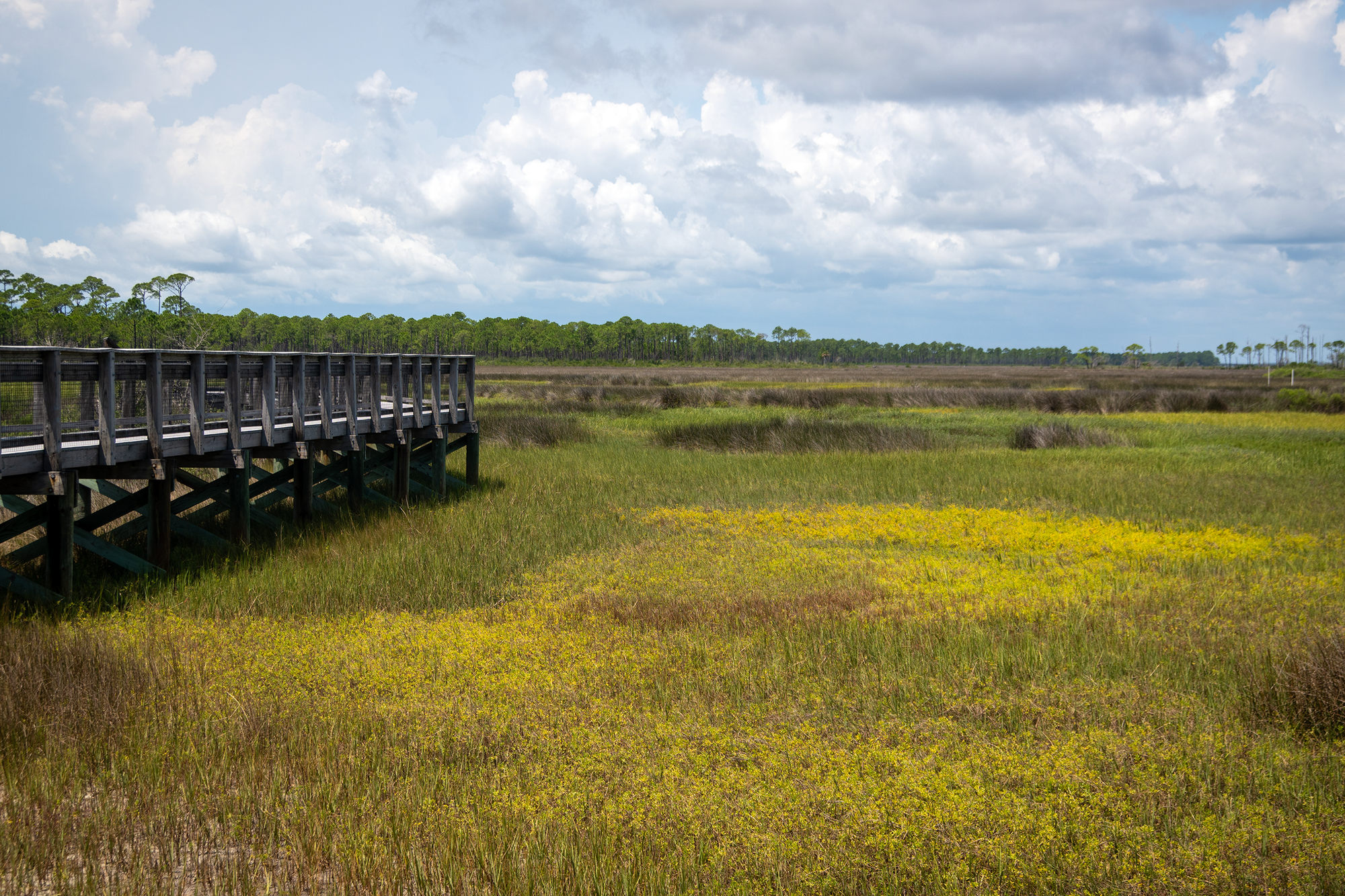
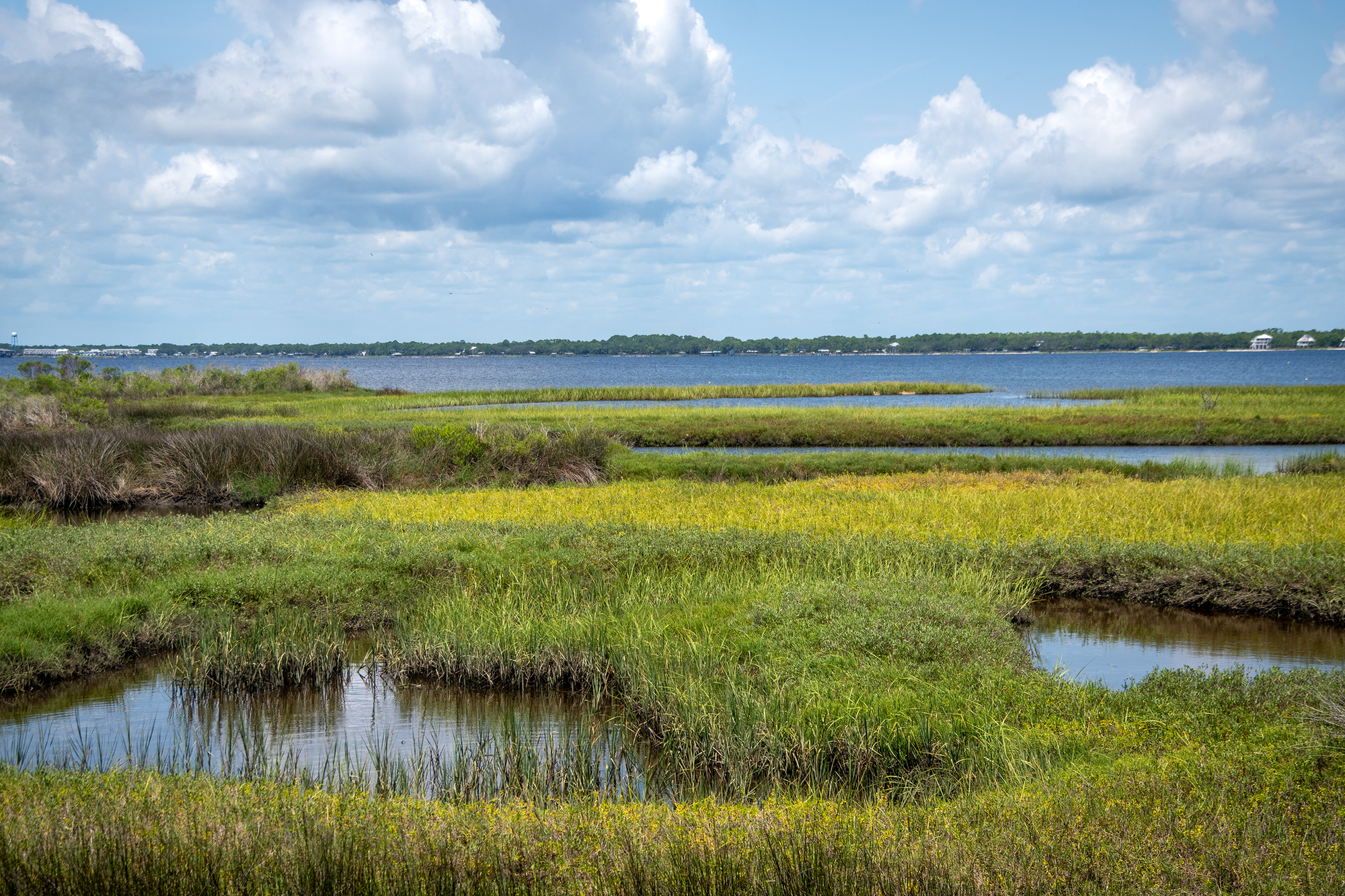
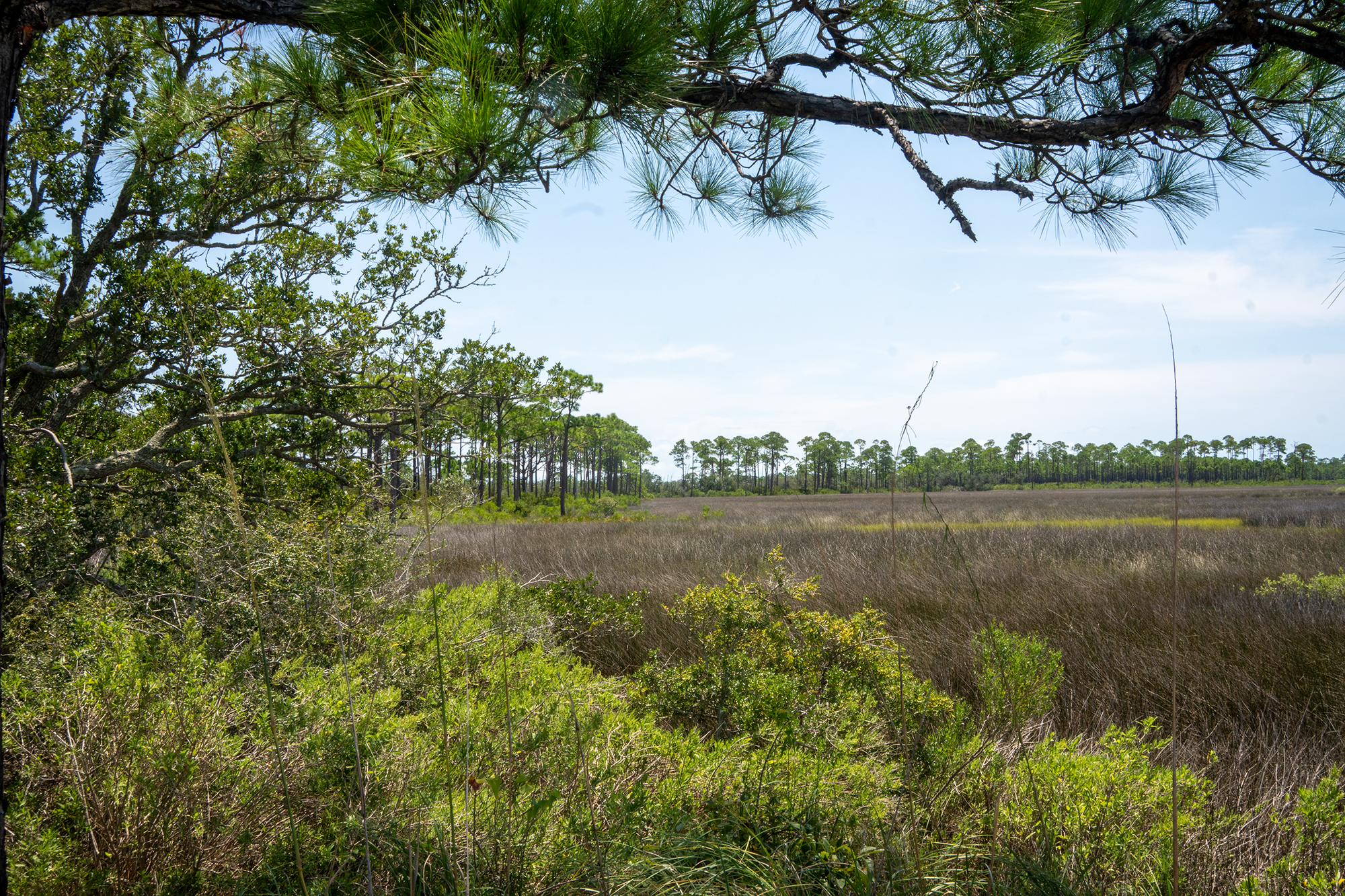
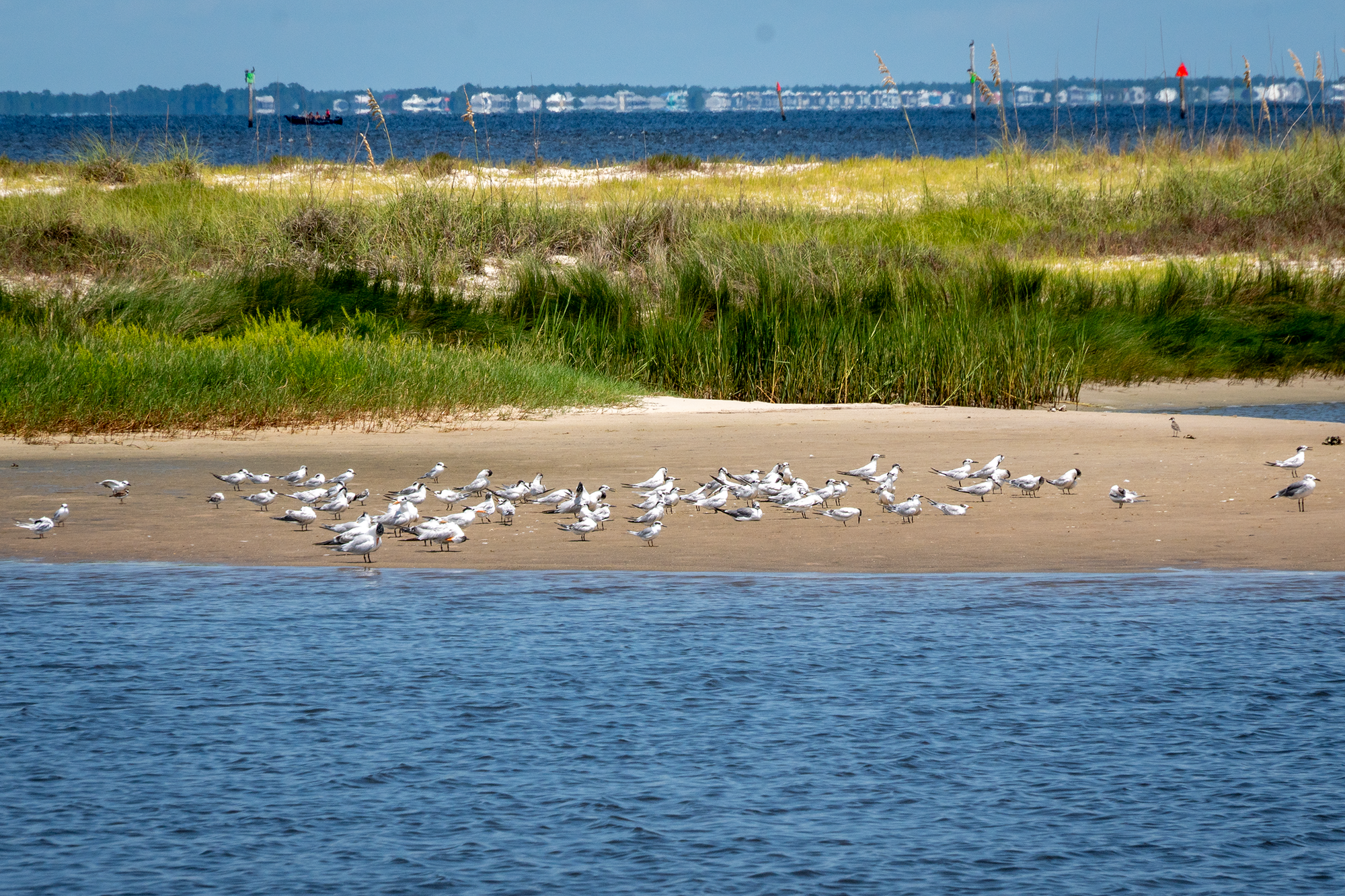
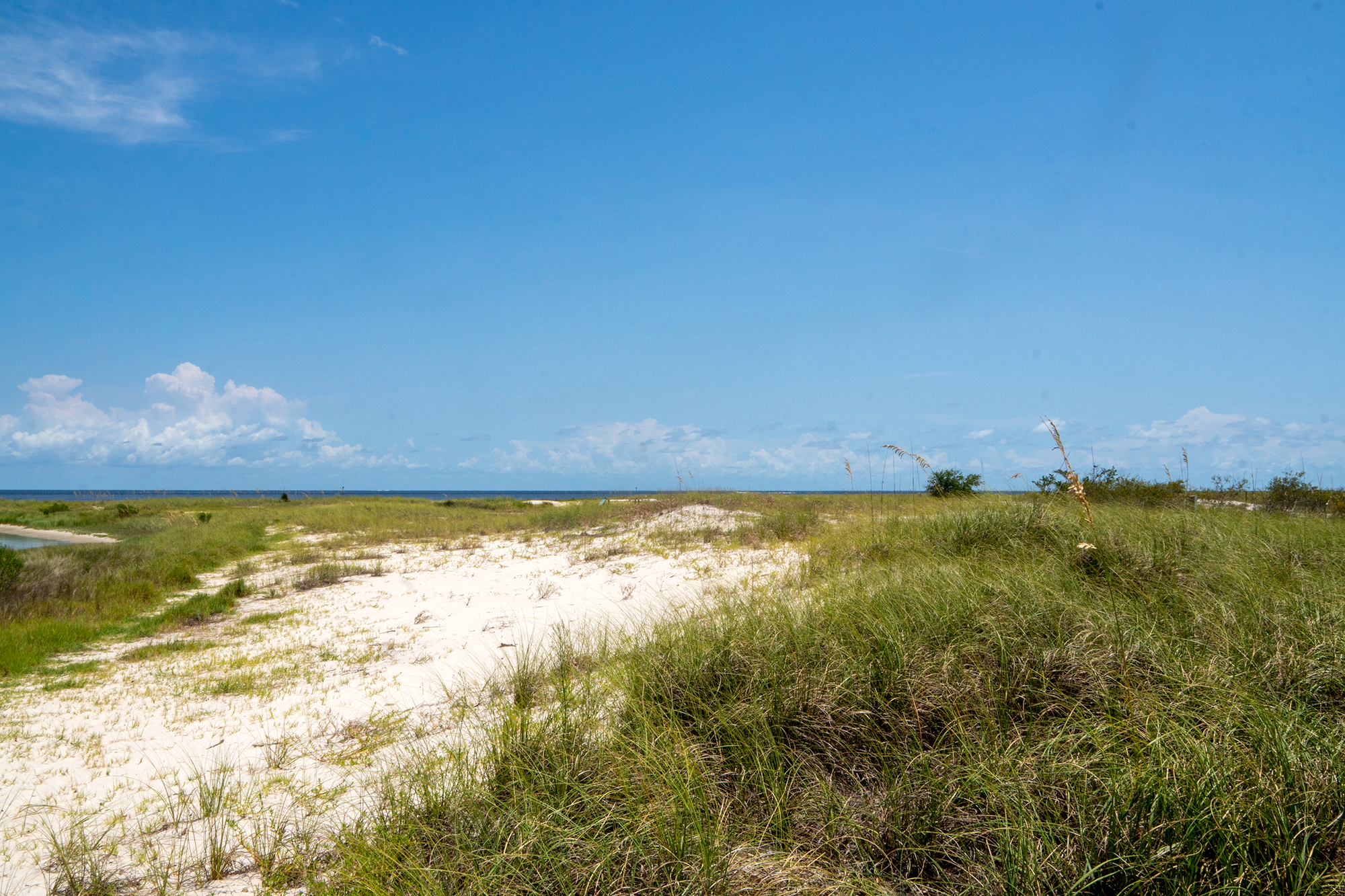
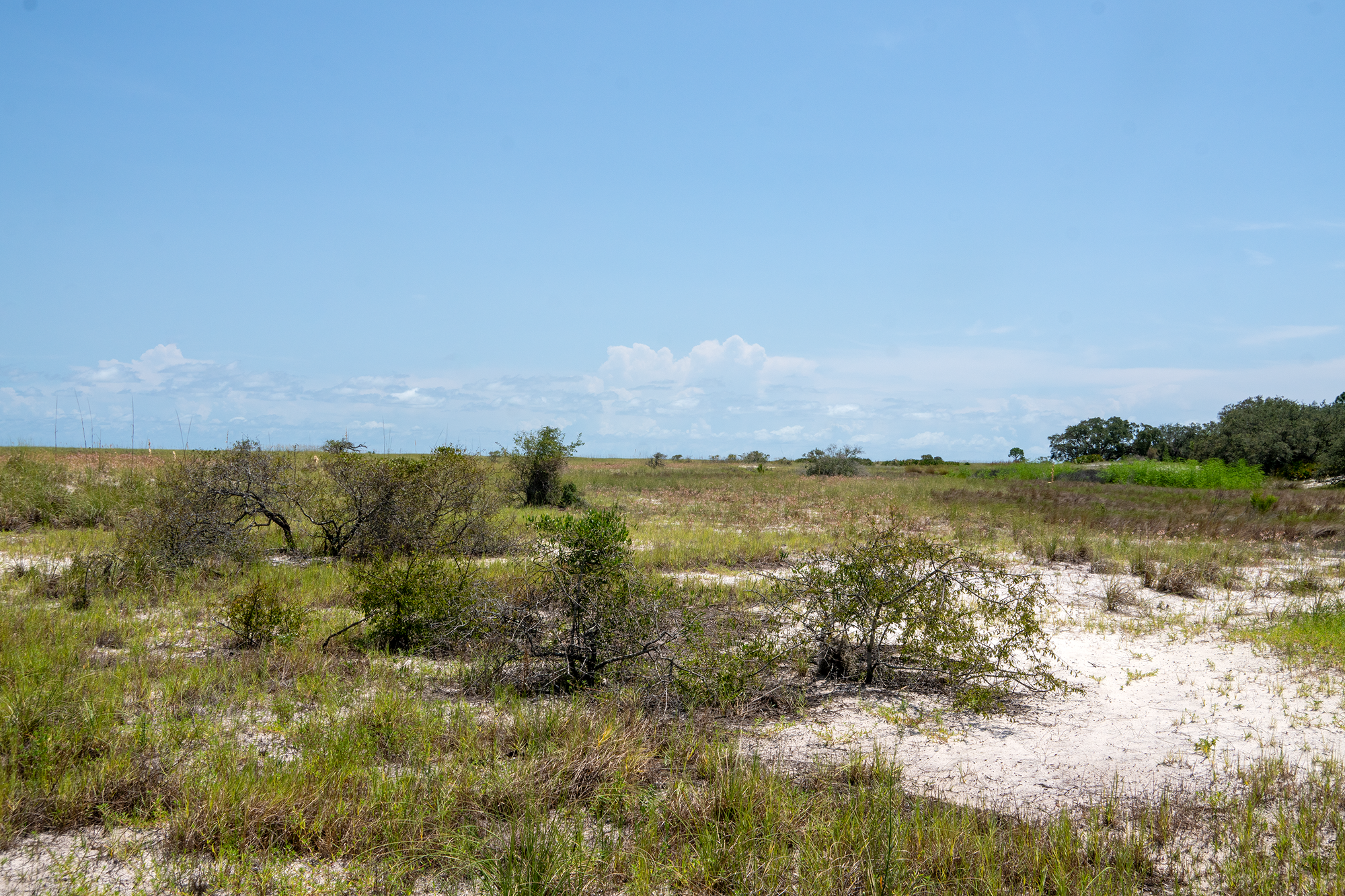
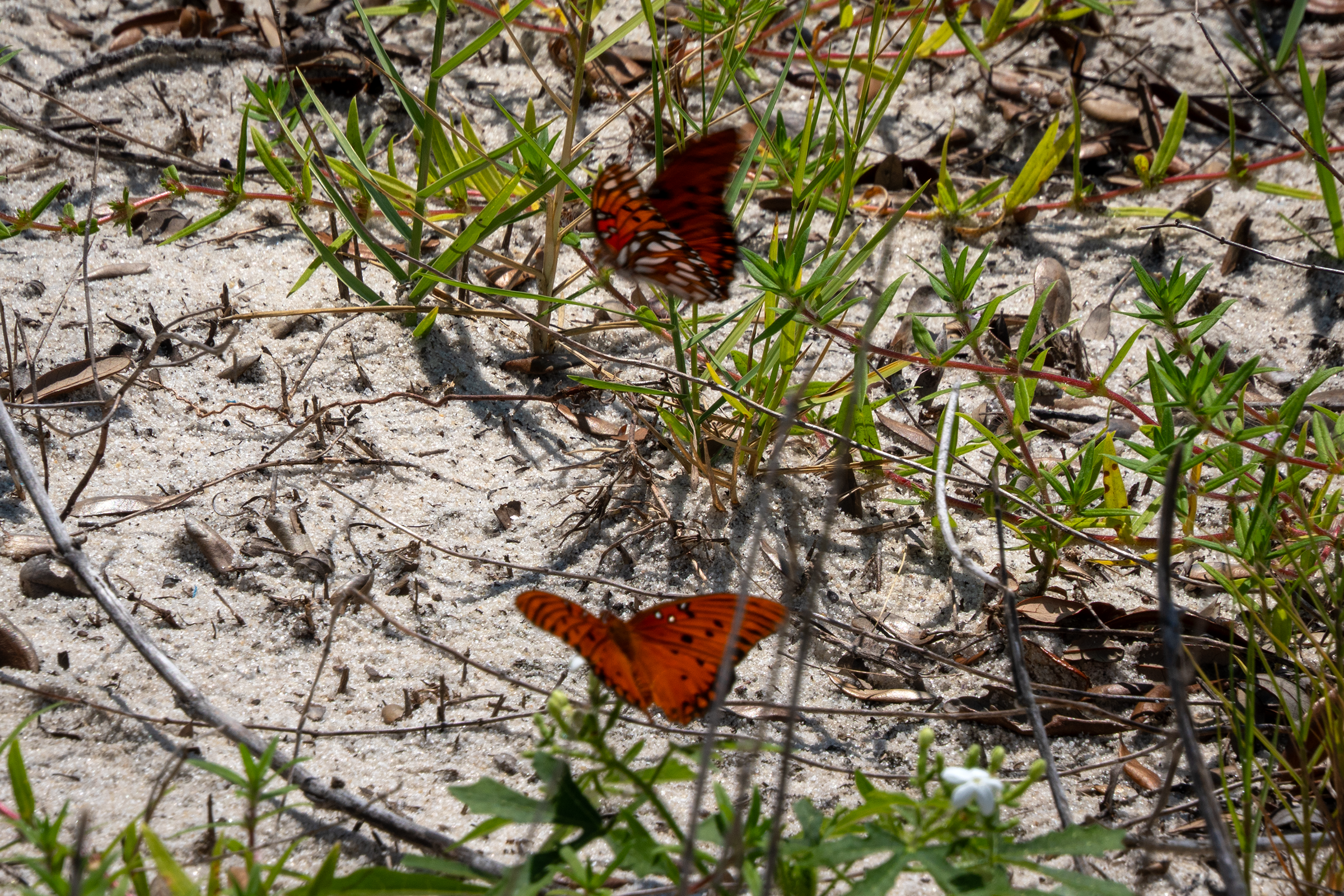
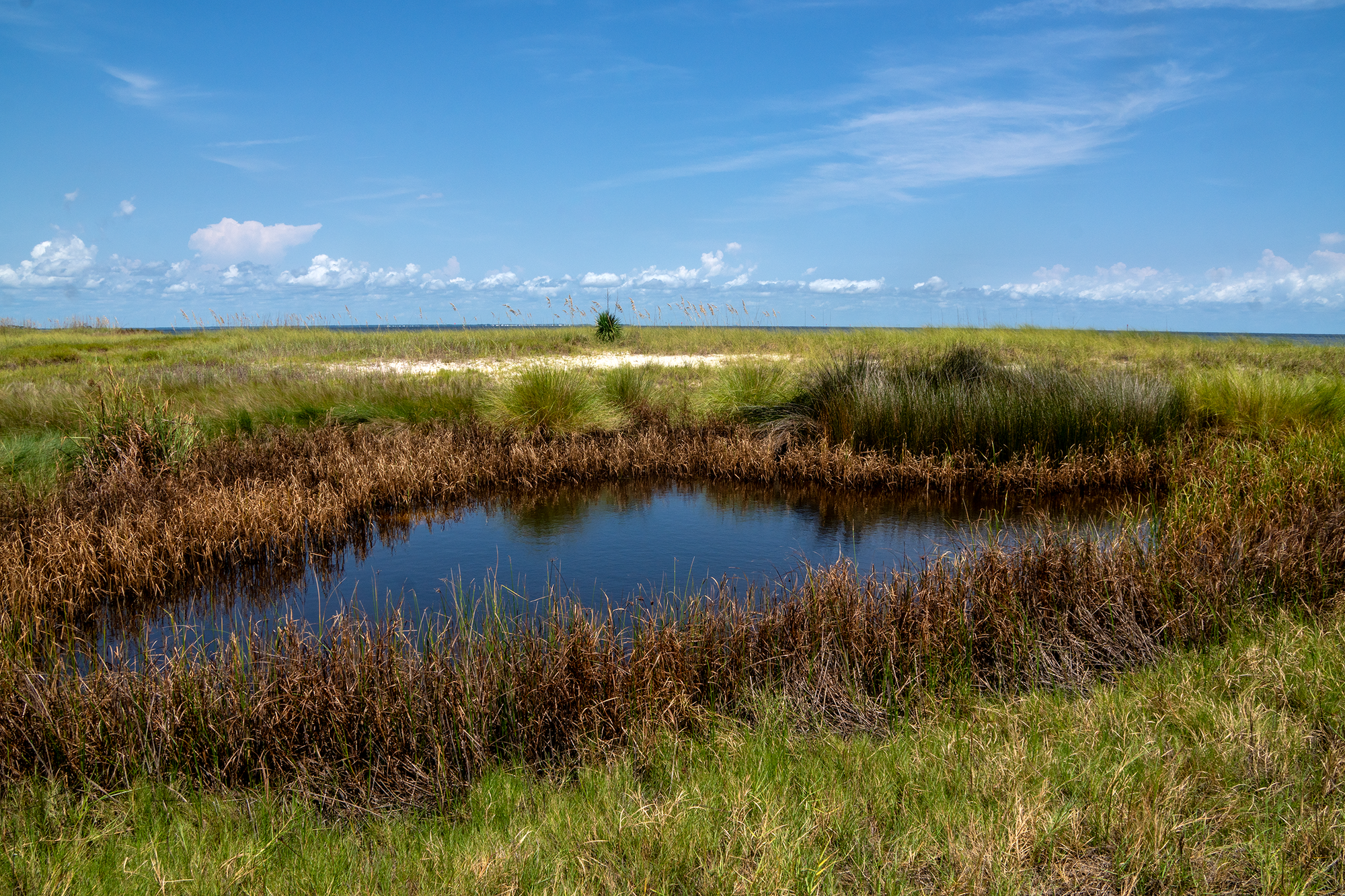
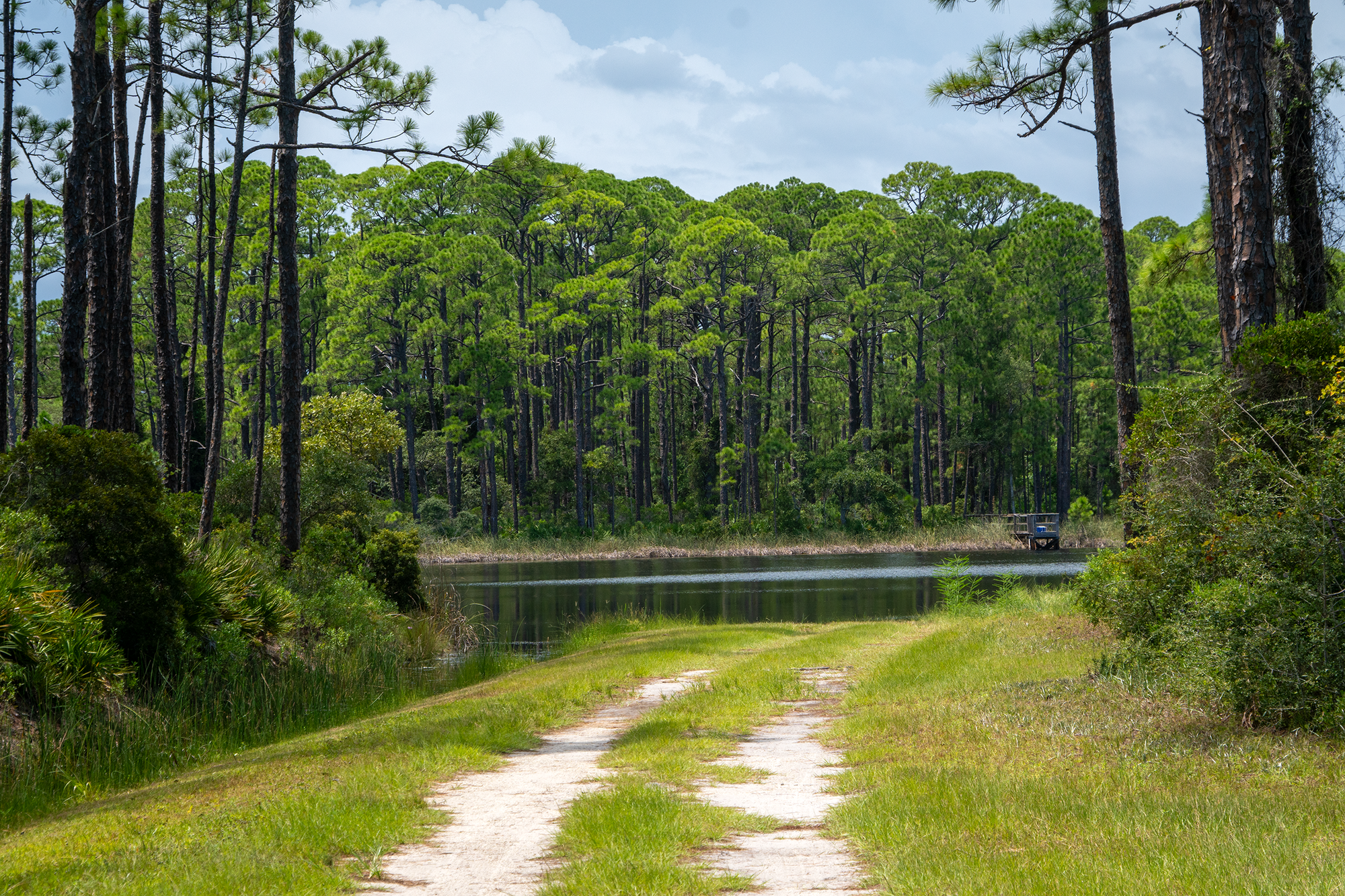
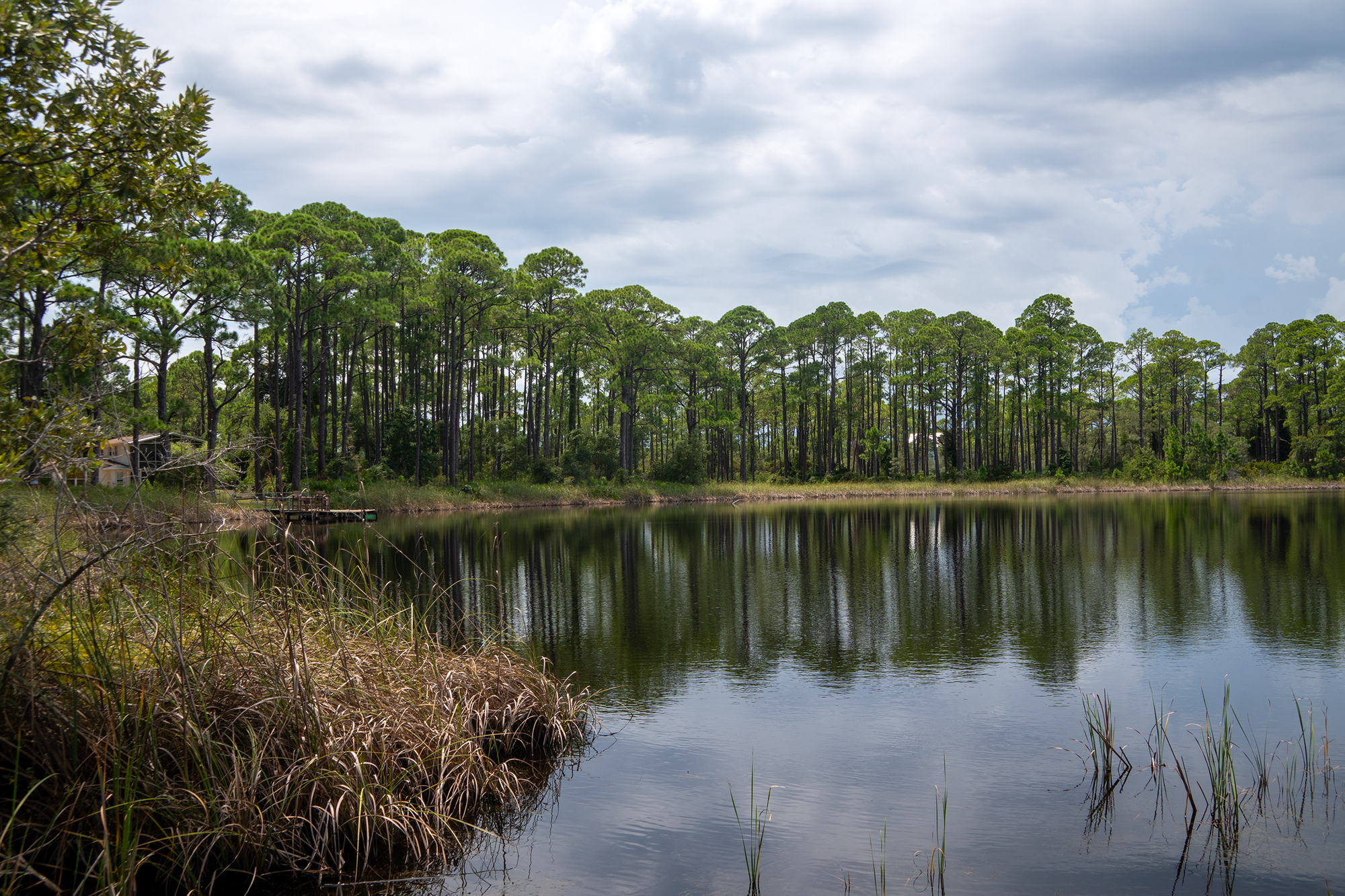
A tidal marsh pictured at Bald Point State Park on Aug. 22, 2026. Dylan Gentile.
On top of being an editor for The Longleaf and a reporter for the News Herald, I am also a nature photographer. I thought I would share some of my adventure to Bald Point State Park.
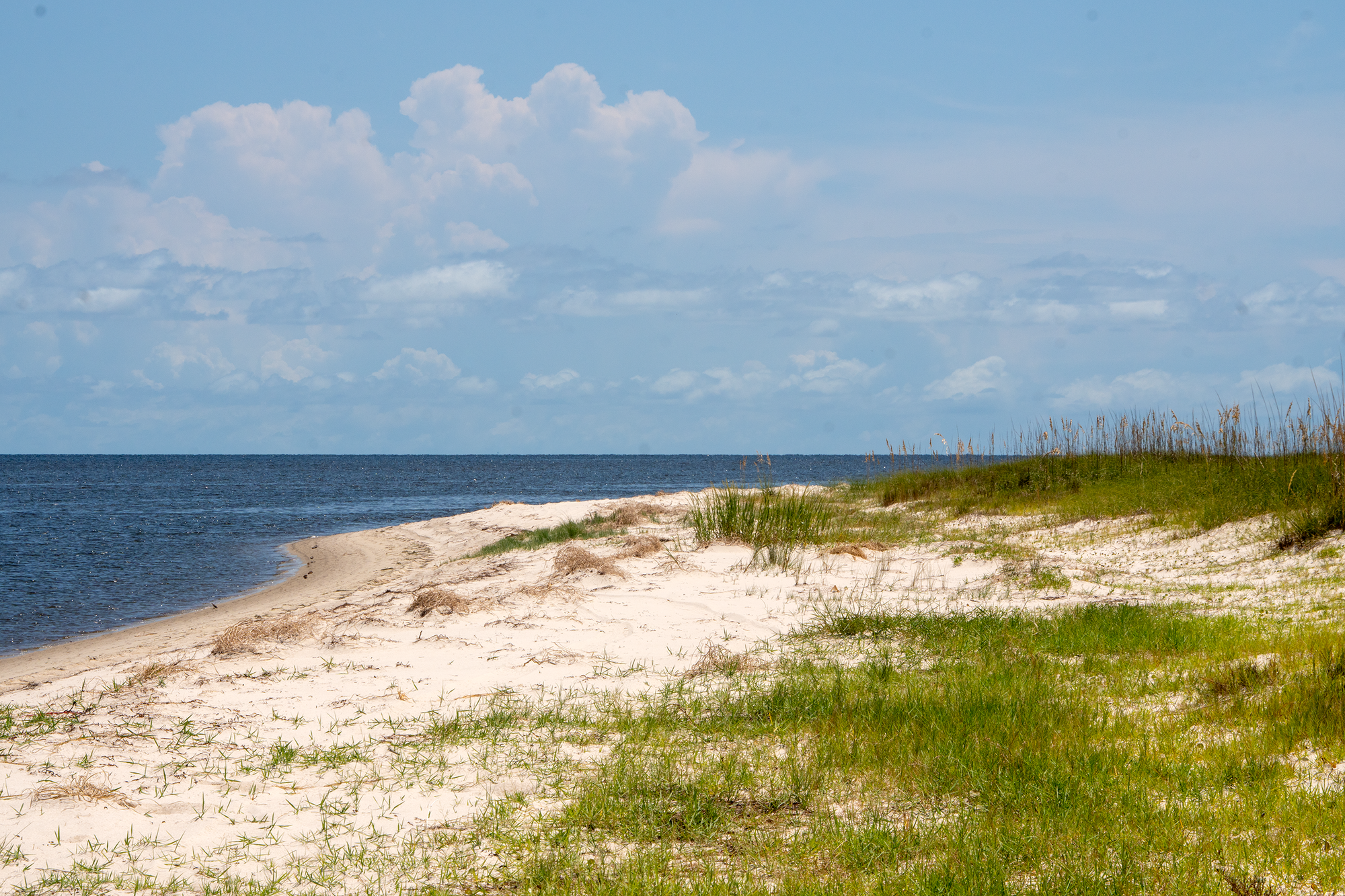
The park is mostly a tidal marsh but also has a beach exposed to Apalachee Bay. It's located in Franklin County, Florida. While I took the photos, the accompanying "fun facts" for these images are AI-assisted, and I am not an environmental scientist, so take them with a grain of salt.
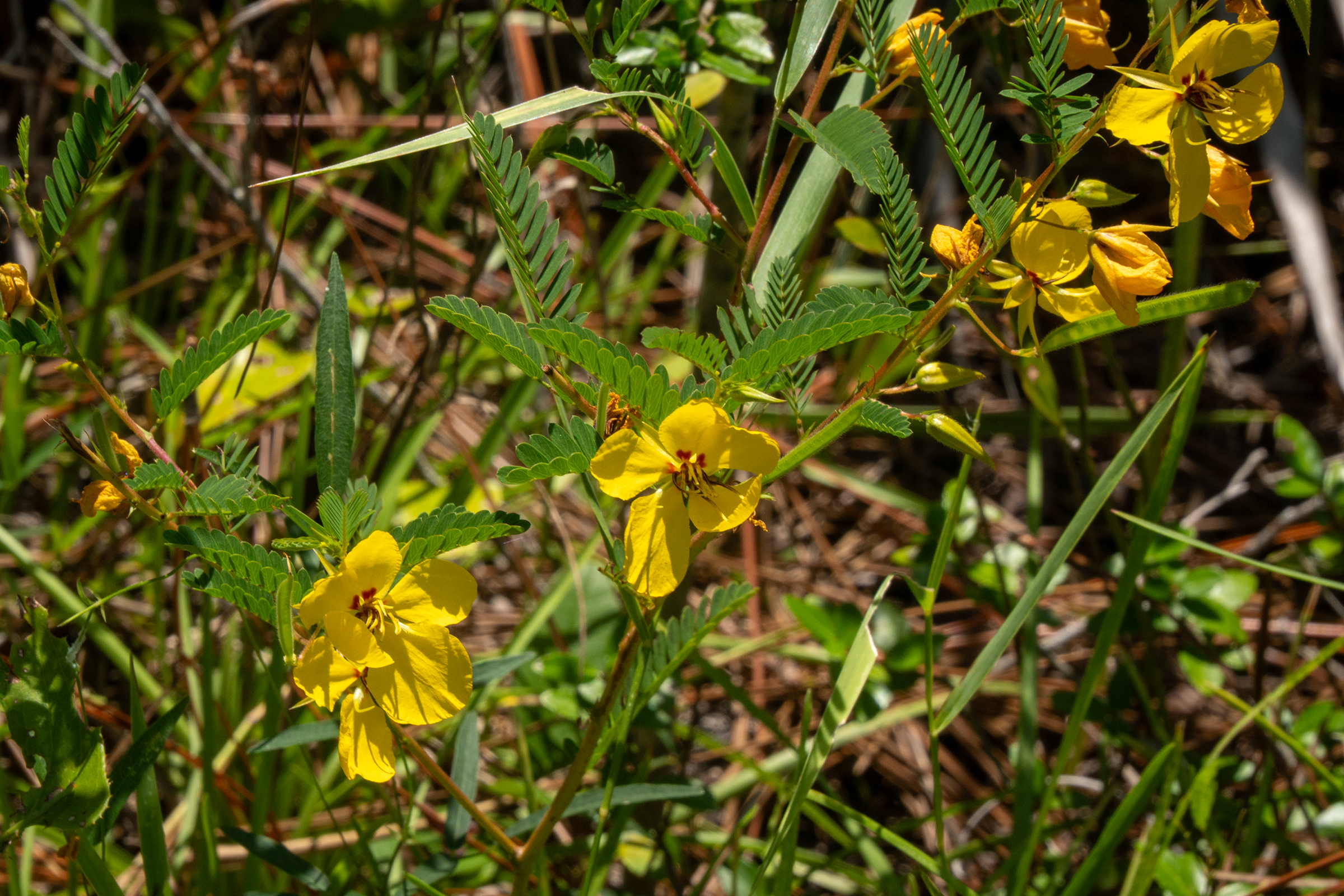
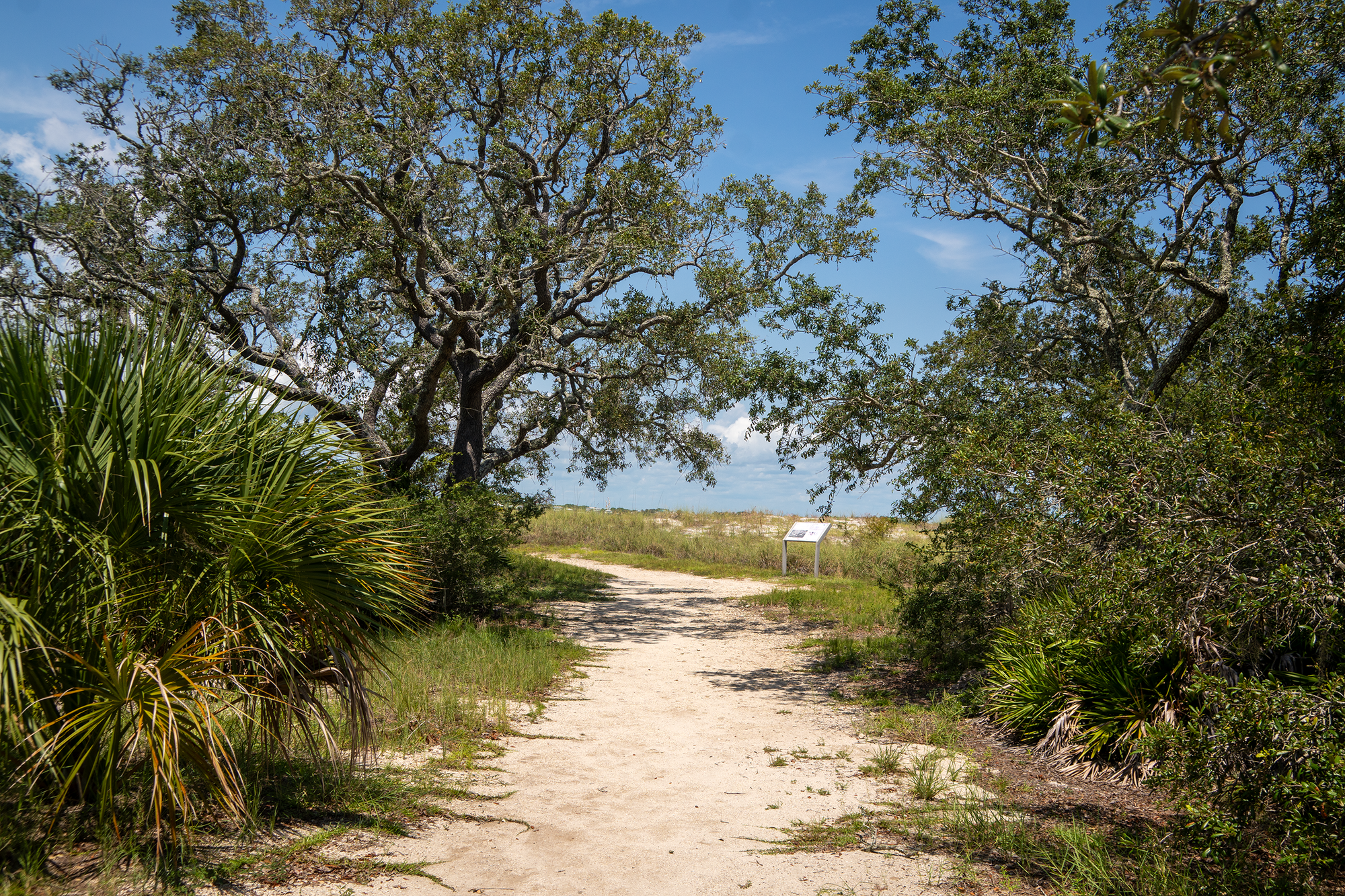
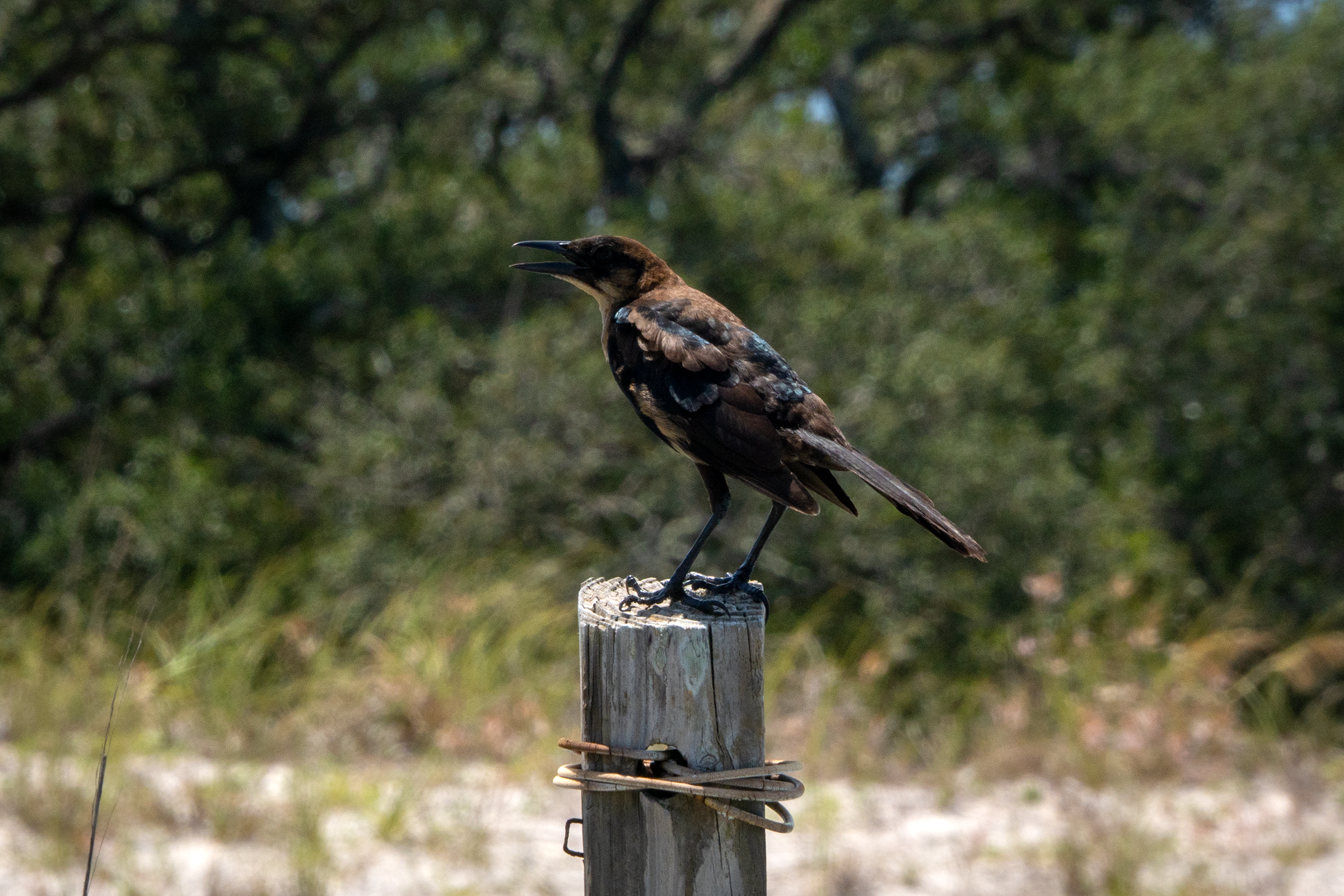
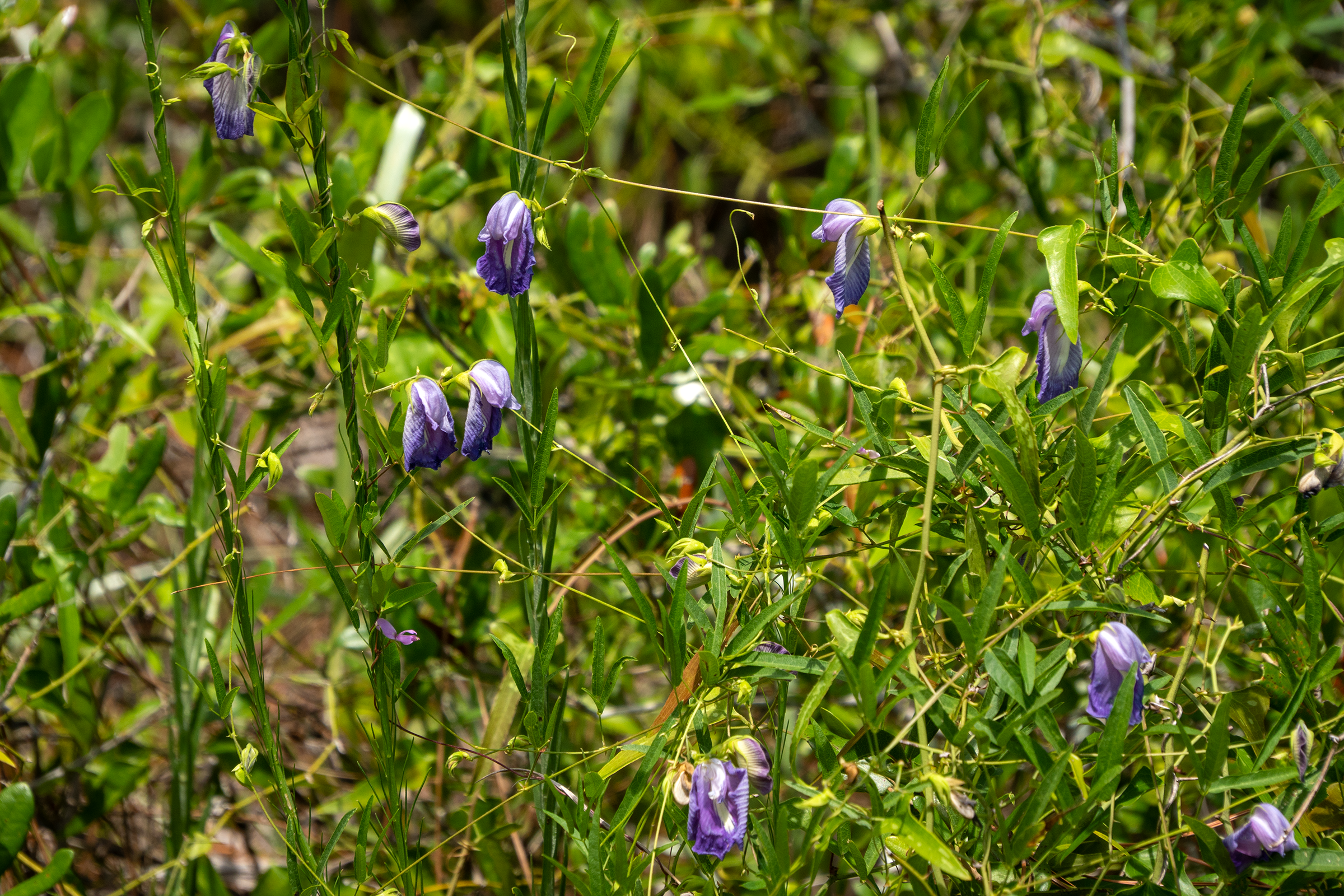
The lopsided crowns on coastal oaks are often caused by "salt pruning." Wind-blown salt spray kills buds on the exposed side, so the tree grows mostly away from the water.The brownish rush filling Gulf Coast marshes is black needlerush. Its tips are sharp enough to puncture skin, which wading birders learn quickly.If those yellow-orange mats over the marsh are dodder, which is what they look like, they're a rootless parasitic vine. Research has shown dodder seedlings find host plants by detecting the chemicals they give off, essentially smelling their way to a meal.Because the park sits at the mouth of the Ochlockonee River, it has estuarine conditions that support extensive oyster reefs and tidal marshes. Marshes like this serve as nurseries for many of the Gulf's commercially fished species."Ochlockonee" is commonly translated from Hitchiti as "yellow water." The inland and nearshore waters here have long supported commercial fishing for mullet and blue crab.This looks like partridge pea. Its flowers have no nectar, so bees vibrate the anthers to shake pollen loose. The plant feeds ants through tiny glands on its leaf stalks instead, and quail eat its seeds, which is where the name comes from.People have lived here for a long time. Norwood pottery, the earliest known pottery in North America, helped archaeologists date the park's oldest site to 2,500 to 3,500 years before the Spanish arrived.Most of these appear to be Sandwich terns, which have black bills with yellow tips as if dipped in mustard. The species is named for Sandwich, a town in Kent, England, where it was first described. The orange-billed birds mixed in look like royal terns.Sea oats are protected under Florida law, and picking them is illegal. Their roots are a major part of what holds dunes together.This habitat is being actively restored. In a project that began in 2024, sand pines are being removed so the land can return to natural scrub, which will eventually be managed with prescribed fire.These look like Gulf fritillaries, whose caterpillars eat only passionflower vines. Bald Point is also a well-known stop for monarchs on their fall migration.If the spiky plant on the horizon is a yucca, which it appears to be, it depends on a single partner. Yuccas are pollinated only by yucca moths, and the moth larvae can develop only in yucca seeds.Fishermen once camped along this shore at seine yards. In the 1920s and 1930s, a spot called Sunday Reel was popular for catching black mullet with seine nets.This looks like a female boat-tailed grackle. Females build the nest and raise the young on their own, while males show off the keel-shaped tails that give the species its name.These look like spurred butterfly pea, which has "upside-down" flowers with the large petal at the bottom. Visiting bees get pollen dusted onto their backs instead of their bellies.Striped mullet can live in water ranging from nearly fresh to saltier than the open Gulf, which lets them move between bays, creeks, and ponds like this one. They're also famous jumpers, and scientists still aren't sure why they do it. Theories include escaping predators, gulping air when oxygen is low, and knocking off parasites. Mullet eat mostly algae and detritus and rarely take a baited hook, which is why fishermen here traditionally caught them with seine nets.Older pines around this area still show the industry that once worked these woods. Pines with "cat face" scars are evidence of the 19th- and 20th-century turpentine industry.
If you have anywhere else in Northwest Florida you think I should explore next, shoot us an email at LongleafEditor@Gmail.com.